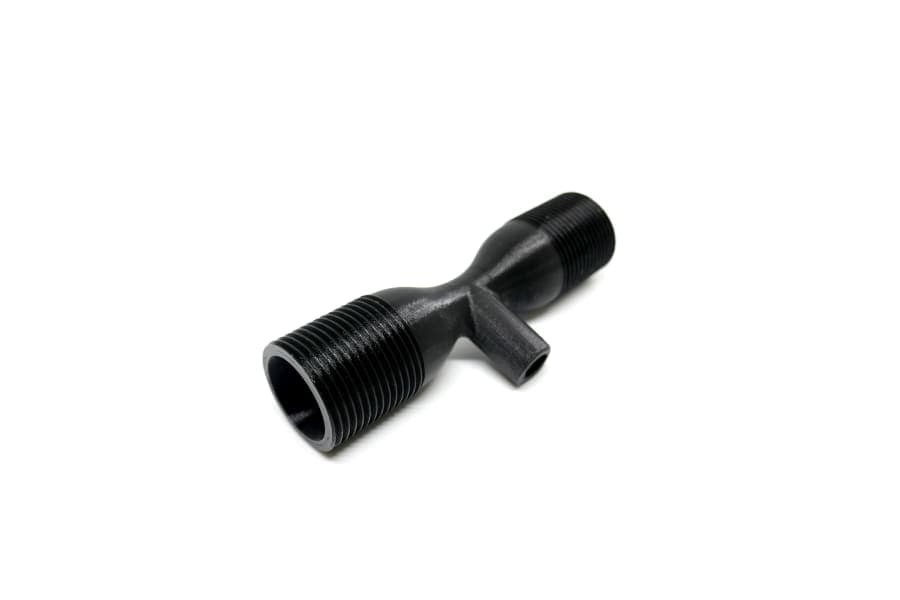
PVC
Engineering Plastics
StrongChemical resistantFunctionalWater resistant
PVC filament, renowned for its durability and moisture resistance, is a versatile material in 3D printing. It's favored for crafting robust prototypes, outdoor signage, and water-resistant components. However, users should be cautious of toxic fumes when heated and its limited heat tolerance. PVC is electrically insulating and resistant to chemicals, but it's not biodegradable. Its broad utility and affordability make it a popular choice, but responsible handling and waste management are essential.
Available finishes
Each finish can be combined with the available colors at checkout.
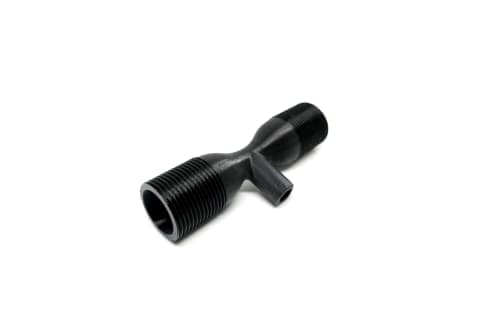
Standard
2 colorsThe standard (as-printed) finish on FDM parts shows the natural texture of layer-by-layer printing. The visibility of the layer lines depends on part geometry and orientation, plus light marks where support material was removed.
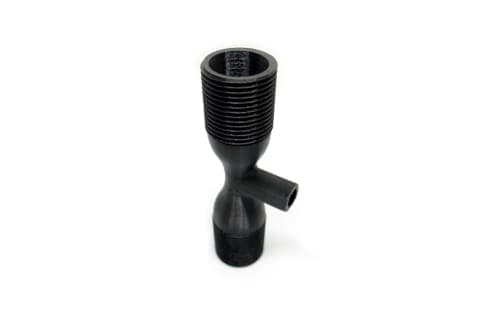
Sanded
2 colorsThe sanded finish on FDM parts reduces the visibility of layer lines compared to the standard finish, though some surface texture generally remains. How much smoothness is achieved can vary depending on the material.