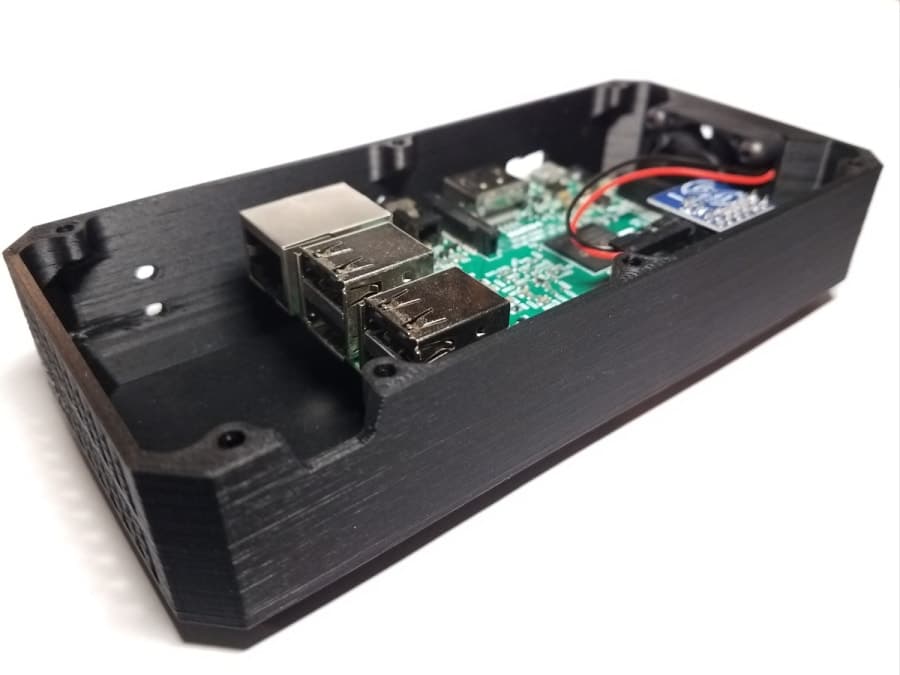
ABS-ESD
Standard Plastics
Impact resistantFunctionalWater resistant
ABS-ESD (electrostatic discharge) as a 3D printing material is used around all electrostatically sensitive components. This includes almost all electrical, electronic and optoelectronic as well as numerous electromechanical components. The ABS-ESD filament guarantees the safe and controlled dissipation of electrostatic charges due to its dissipative (energy-absorbing) properties. Mechanical properties remain similar to those of standard ABS.
Available finishes
Each finish can be combined with the available colors at checkout.
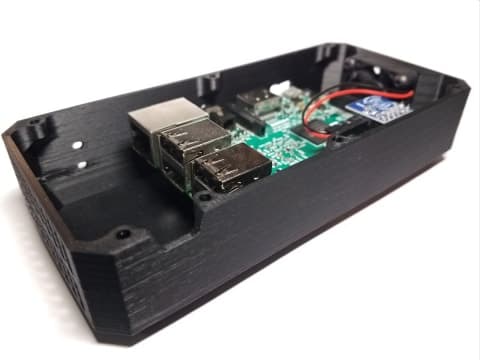
Standard
1 colorThe standard (as-printed) finish on FDM parts shows the natural texture of layer-by-layer printing. The visibility of the layer lines depends on part geometry and orientation, plus light marks where support material was removed.